


Lessons Learned: Flies and Gear for Peacock Bass
Whether you’re heading on a peacock bass trip of your own, contemplating joining us in one of our hosted trips, or strictly curious, I’d like to talk about our favorite flies and gear used during our 2026 Hosted Trip to Colombia! In case you missed it, we just got back from Colombia not too long ago and came well prepared! That said, there were also lessons learned, as any inaugural trip will.

I wrote up a recap blog a few weeks ago, and if you missed it, here’s the link for that here: https://www.goldenflyshop.com/blogs/golden-fly-shop-blog/colombia-hosted-trip-recap-the-adventure-of-a-lifetime. The trip was amazing, and despite a few setbacks (boat engine going out, a cancelled flight headed home, and a giant thunderstorm that ate up half of a fishing day) the group certainly had an amazing time. All of us are eager to get back and chase their bigger cousins in a different tributary next year! This trip is already booking up fast and I have four spots available for those who are interested.
Anyways, I just wrote up a blog in preparation for my golden dorado review trip in Argentina. That got me thinking, I should talk about what worked and what didn’t on our peacock bass adventure. I briefly discussed flies in the blog linked above, but I now want to take a deeper dive. So without further ado, let’s discuss.
Flies:
What Worked:
Umpqua Flashtail Whistler - This fly likely caught the most and biggest fish throughout the four days of peacock bass fishing. By far the best color for us was the red/yellow, but the orange/yellow caught its number of fish as well. One factor that we knew coming into this trip with this fly was the amount of flash that was tied in coming from the factory. Although the original recipe calls for flash (and a lot of it) it was not necessary whatsoever. Peacock bass can already see the fly moving through the water and the flash doesn’t add much, and if anything deters the fish. On top of that, piranha love flash!! Want a fly to get cut in half? Throw flashy flies. To mitigate this, we either cut the flash flush to the bucktail or cut two-thirds of the flash out and left the original length intact. Additionally, those who tied their own tied in minimal flash or replaced the bulk of that material with an alternative (such as EP fibers, SF blend, or similar materials).

2. Umpqua Big Fish Deceiver - The deceiver is one of the most popular baitfish patterns in the world, and is also the most influential baitfish fly platforms ever created. An endless number of flies are based off of Lefty’s original design. Umpqua added a little more with the Big Fish variation; extra saddle, a heavier gauge hook, and eyes fused into thread (rather than glued on) make a platform that apex predators can’t resist, as well as not allowing them to rip the fly up immediately. Both the blue/white and chartreuse/white caught their share of the bigger fish throughout the week! If I could only bring two patterns next year, the Big Fish Deceiver and Flashtail Whistler will be the only flies in my box.

3. MFC Hollow Bunker - Designed for striped bass, the Hollow Bunker from Montana Fly Company is an excellent baitfish pattern that has a big profile, yet is incredibly lightweight due to its design. Although peacock bass and striped bass are not even closely related, I couldn’t help but think if striped bass crush this fly, there’s no reason that a peacock bass wouldn’t. Well this suspicion was correct. Due to the larger profile of this pattern, we didn’t catch a ton of fish on this fly, but what was landed was generally on the larger side. At the time, the only color that was available to purchase that peacock bass would like was chartreuse/white, so it was the only colorway used during the trip. With that, I will certainly be bringing more of these next year and will plan on bringing some pink/white, olive/white, and all white.

4. Umpqua Jungle Junkie - Friend of the shop, Steve Maldonado, designed this fly for exactly what we were targeting, peacock bass. Steve’s fly is a beautiful combination of bucktail, flash, and a thick dubbing head. Put these together and you have the sleeper fly of the trip. Although this fly wasn’t a consistent fish catcher, it caught its number of fish, and big ones at that. The general consensus with this fly was that it isn't an all-day fly, but when the sun got hot and the bite slowed down, this fly turned things around. The bulbous head on this fly pushes a lot of water, getting fish’s attention from a good distance and enticing a bite when others couldn’t. Firetiger was the money factory color, but many of our guests tied custom colorways that got bit.

5. Fulling Mill Gym Sock - Simple, but effective. The Gym Sock from Fulling Mill was originally designed for roosterfish on the southern Baja Peninsula of Mexico. I’ve personally caught roosterfish on this fly and packed it last minute before our trip to the jungle. I didn’t spend much time fishing it, but as soon as I did it was hard to keep the fish away. With a simplistic coloration and incredibly swimming action, this fly worked when bright colors were not. My biggest peacock of the trip was caught on this fly!

What DIDN'T Work:
There weren’t many fly patterns that didn’t work, but other factors led to little to no bites. First off, dark colors did not catch fish at all for us. Maybe it was the water we were fishing, maybe it was the time of year. Whatever it was, dark flies (i.e. black, purple, or any combination with these) could not buy an eat. However, the location of our hosted trip next year (Pasimoni Lodge) is a tributary of the Rio Negro, both of which have a very dark, tannic stain to the water. Lodges on the Rio Negro often use black/red colored flies, so we will likely have this colorway in our box, leading this observation to being just location dependent.

Additionally, anything topwater didn’t work. Well sort of; we caught fish on poppers and giant terrestrial patterns, but nothing of the size that was even worth taking a picture of. It was clear to us that bigger fish liked to eat subsurface. A very important factor to note with this is that peacock bass actually love eating topwater disturbance lures, but to replicate the noise and/or action of a lure in the fly world is nearly impossible. Topwater peacock bass lures move quite erratically and/or make a ton of noise, grabbing fish’s attention from great distances. I’m not opposed to fishing conventional gear, but if you’re looking for great topwater action on flies, I wouldn’t put any money on it. That said, I will still be bringing poppers next year in the hope of catching a double digit on the surface (fingers crossed!).

Rods and Reels:
Peacock bass aren't trout, there are no delicate eats or roll over fights. These fish will fight with all their might and won’t quit until they’re landed. The biggest fish of this year’s trip was only 9.5lbs (in the world of temensis peacock bass, this is not even close to being big), yet we quickly found out why peacock anglers use 9 and 10wt rods for these fish. Even a 5lb fish will make a 10wt bend over backwards; these fish are no joke.
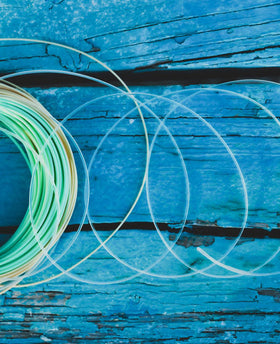
Some anglers like to fish 8wts for peacock because it allows them to cast easier throughout the day. However, matched with the right line (we used Rio Warmwater Predator) you can easily cast a 9 or 10wt rod all day if using a basic double haul. An 8wt could certainly be appropriate for fish under 10lbs in the right angler’s hands. But for the average angler, or ANY fish larger than that, you can be in heaps of trouble. Like I alluded to before, a 5lb peacock will tear you up on a 10wt, imagine what a 20lber would do…

To not be too repetitive, bring 9 and 10wt rods if you plan on targeting temensis (a.k.a 3 bar, speckled, giant peacock bass). But, if you’re heading to other locations, such as Guyana, southern Brazil, Peru, etc. where temensis are not found, bring an 8wt and have fun with the “smaller” peacock.
As far as reels go, this is the one area where you can save some money. In my opinion, getting a peacock to the reel is the last thing you want to do. These fish can and will dive into the nastiest brush they can find to get off the hook. You can apply much more drag and pull on a peacock much more effectively when fighting with your hands. Plus, this makes the fight much more fun! It’s like bare knuckle boxing without the painful consequences. With that being said, if you’re in open water and know the fish doesn’t have any opportunity to dive into cover, you still need a high quality drag system. If it hasn’t been obvious already, these fish fight hard, and if you don’t have a solid drag system to fight them effectively, you’re piss out of luck. Saltwater style drag systems are imperative. But if you’re trying to save money somewhere on a peacock trip, save money and get the best reel you can afford (don’t skimp on the rods!!!).

I never want to sound preachy or a salesman when talking about rods or reels, but I do want to briefly talk about the specific gear we used. The most popular rod amongst the group was the Orvis Helios D which proved itself easy and efficient casting all day long. Other rods brought were the Hardy Marksman Zand Lamson Cobalt. Reels were much more divided in popularity, but the reels amongst the group were: Ross Evolution R Salt, Hardy Fortuna Regent, Lamson Litespeed M, Sage Shift LT, and Lamson Liquid Max.
Leaders:
Forget your 0x and don’t even think about putting a break/class tippet in your leader, unless not landing a fish is your goal. The location we were in had large temensis, but they seemed to be shy while we were there (hence why a 9.5lber was the biggest of the week). With this, our 40lb straight leaders seemed to do the job, however, we ran into some fish that broke this. Our leaders, for the most part, were sufficient enough for the size of fish we were catching. That said, our location next year has a much larger average size peacock, and the largest caught at the lodge is 27lbs! With our prior knowledge and understanding of the population at our future location, we will be bringing 50 and 60lb leaders, likely leaning towards 60lb throughout the week based on the pictures and videos we’ve seen.

Peacock bass are an amazing species and they should be on everyone’s short list to catch. Even if you’re headed to Florida, Puerto Rico, or Panama, you should absolutely go catch these wonderful fish. That said, nothing compares to the real deal in the Amazon! We hope this blog helps you in your peacock bass adventures, or maybe convinces you to give it a try for yourself.


Xavier Puls
If you have any questions or concerns, feel free to reach out to Xavier on email at xavier@goldenflyshop.com, or call the shop at 303-330-1292. Thank you!
Leave a comment